
Seeing 20/20 Isn’t the Whole Story
Discover the difference between sight and vision – and why it matters.
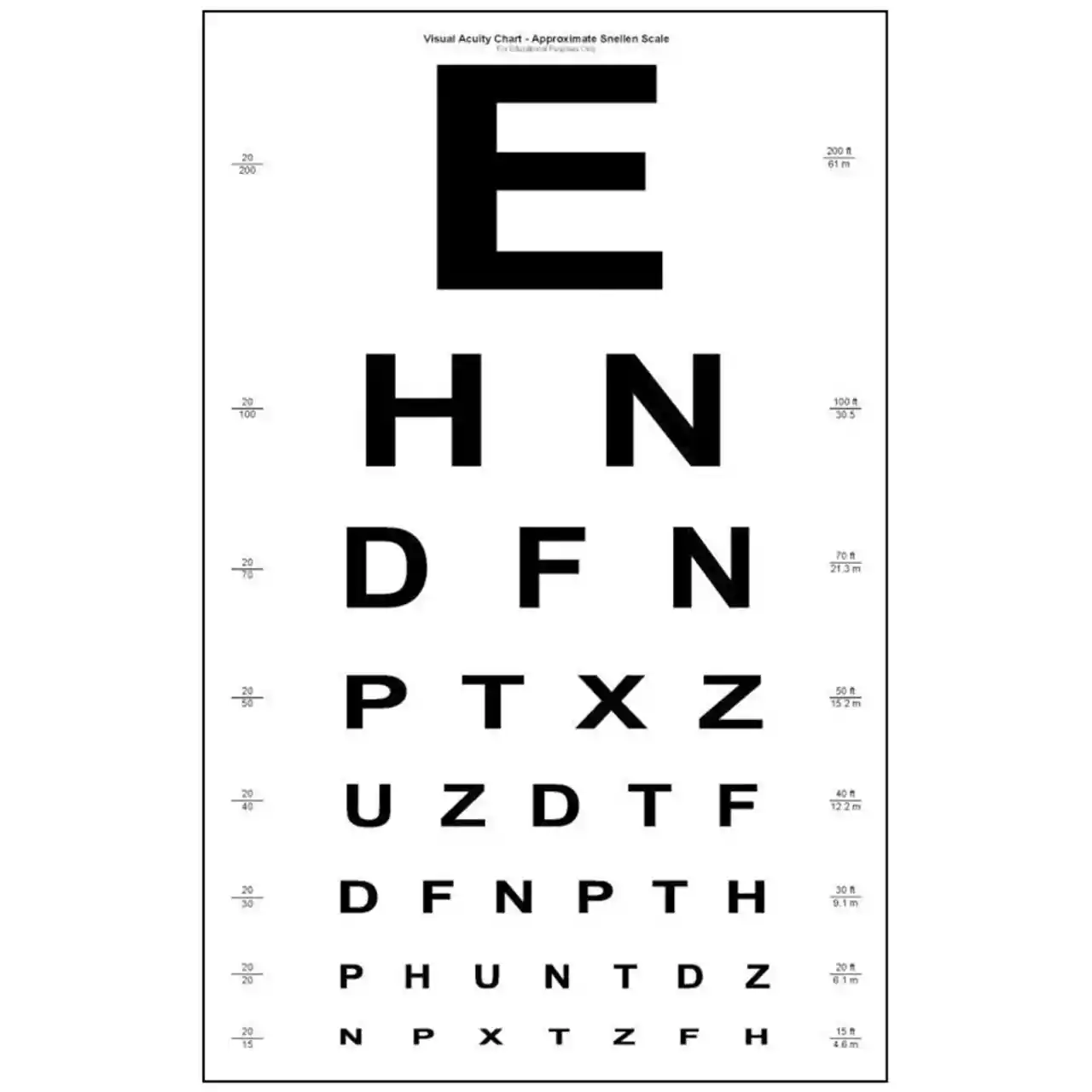
The Difference Between Sight and Vision
Sight refers to the physical function of the eyes, including their ability to focus, detect light and transmit signals to the brain. A person can have good eyesight, seeing 20/20, but it doesn’t necessarily mean they have efficient, functional vision. Eye doctors typically assess eye health and the ability to see good detail (visual acuity), 20/20, for example.
Vision refers to the process by which the brain interprets and makes sense of the visual information received from the eyes. Vision is the brain’s ability to understand, to interpret, and to use the information. Vision problems can occur, even if the person has good eyesight.
Vision rehabilitation specialists assess visual efficiency and visual function. They offer various treatments and therapies to improve function to reduce symptoms.
Why is Vision a big deal?
- Paul King, Computational Neuroscientist, Software Entrepreneur and Author, originally answered: How much of the brain is involved with vision?
“This is a tricky question because so much of the brain is involved in multiple things. It is often said that 2/3 (60%+) of the brain is “involved” in vision. Less than 20% of the brain is dedicated to “visual-only” functioning. The other 40% is doing vision+touch, or vision+motor, or vision+attention, or vision+spatial navigation, or vision+meaning, vision+emotion, vision+hearing, vision+memory, etc. “
More than 50 percent of the cortex, the surface of the brain, is devoted to processing visual information. When our eyes are open, our vision accounts for two-thirds of the electrical activity of the brain. This is equivalent to 2 billion of the 3 billion firings per second. The finding was published in a paper by neuroanatomist R.S. Fixot in 1957.
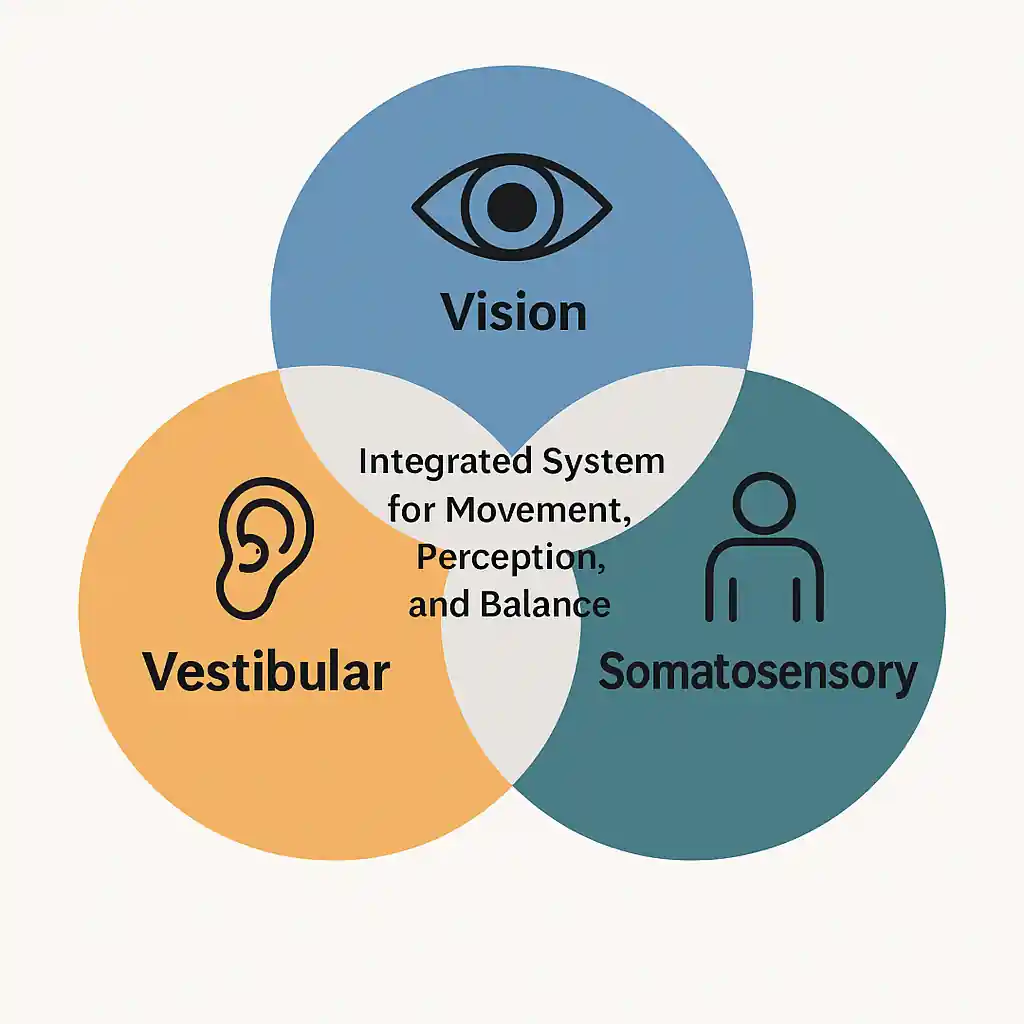
Vision interprets what we see and helps guide movement, attention, and memory.
Vestibular controls balance and spatial awareness through your inner ear.
Somatosensory tells your brain where your body is and how it’s moving through space.
Nobody had even told me treatment was an option until Dr. Miller mentioned it to me… It’s been a long process because my symptoms were pretty bad… I don’t know where I would be if Dr. Miller didn’t suggest the treatment.